
 English
 中文简体
 русский
 عربى

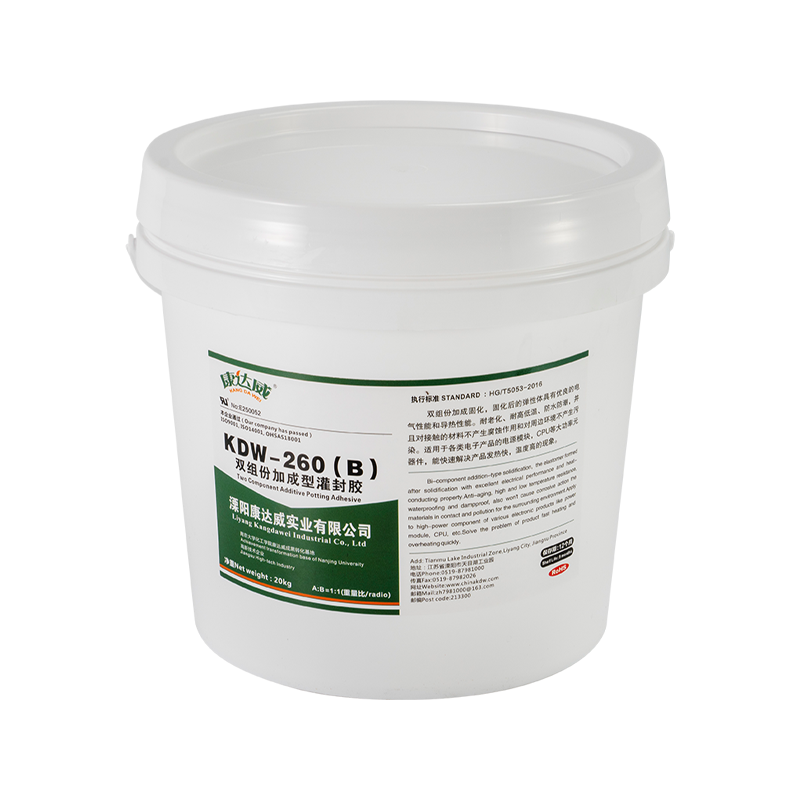
As electric vehicle battery designs evolve, manufacturers must balance bonding strength, thermal management, electrical insulation, and production efficiency. Selecting a suitable Power Battery Adhesive is no longer just a materials decision; it directly affects assembly quality, component reliability, and future maintenance. For battery manufacturers and automotive OEMs, the challenge is finding a bonding solution that meets the demands of the application without creating unnecessary difficulties on the production line.
1. Why Does Battery Design Affect Adhesive Selection?
Battery packs contain multiple components, including cells, cooling plates, structural frames, insulation layers, and protective housings. Each connection has a different purpose, so a single adhesive type may not be suitable for every bonding point.
For example, structural bonding focuses on mechanical strength, while thermal interface materials help transfer heat between components. Sealing materials protect against moisture and contaminants, and insulating adhesives help maintain electrical separation where required. Identifying the function of each joint is the first step toward selecting an appropriate material.
2. How Can Adhesives Support Battery Thermal Management?
Heat management is a major consideration in battery systems, particularly as manufacturers develop higher-performance packs and faster-charging designs. Poor contact between a battery cell and its cooling interface can reduce heat-transfer efficiency, depending on the assembly design.
Thermally conductive adhesives can combine bonding with heat transfer, helping connect designated components while filling small gaps between surfaces. However, thermal conductivity alone does not determine suitability. Engineers should also consider bond-line thickness, viscosity, curing behavior, electrical insulation requirements, and compatibility with the substrates.
A material evaluation should reflect the actual battery architecture rather than rely on a single specification from a product datasheet.
3. What Causes Inconsistent Bonding During Production?
Adhesive performance can vary when surface preparation, dispensing conditions, or curing processes are not properly controlled. These issues may result in uneven coverage, weak adhesion, or additional rework.
Manufacturers should pay particular attention to:
- Surface condition: Remove oil, dust, and other contaminants using approved preparation procedures.
- Dispensing accuracy: Maintain consistent bead dimensions and application positions.
- Material viscosity: Confirm that the adhesive works with the selected pumps, nozzles, and dispensing equipment.
- Curing control: Follow the recommended temperature, humidity, and curing time for the specific formulation.
As a manufacturer, we recommend testing adhesives under representative production conditions before approving them for mass assembly. This helps engineers identify process limitations before they affect routine production.
4. How Should Buyers Evaluate Electrical and Thermal Safety?
Battery adhesives may operate near high-voltage components and under changing thermal conditions. Depending on their location, they may need to provide electrical insulation, resist elevated temperatures, or help protect components from environmental exposure.
Purchasing teams should request technical data covering the properties relevant to their application. These may include dielectric strength, thermal conductivity, temperature resistance, flame-retardant classification, and aging performance.
Not every adhesive provides all these functions. Buyers should confirm which properties have been tested, under what conditions, and whether the results apply to the intended substrates and assembly design.
5. Can Adhesive Selection Improve Automated Assembly?
High-volume battery production requires materials that behave consistently during dispensing and curing. A product with suitable bonding properties may still cause delays if its working time is too short or its viscosity is incompatible with the production equipment.
Before placing bulk orders, manufacturers should evaluate dispensing speed, open time, fixture time, storage requirements, and curing conditions. Sample trials using production-representative components can help confirm whether the material fits the assembly process.
Early cooperation between adhesive suppliers, equipment teams, and battery engineers can also reduce avoidable changes during production ramp-up.
6. Should Repairability Be Considered at the Design Stage?
Strong bonding can improve structural stability, but permanent joints may make battery modules more difficult to remove or replace. As battery repair and material recovery receive greater industry attention, manufacturers increasingly need to consider how bonded components will be separated at the end of their service life.
Depending on the application, engineers may evaluate controlled-release adhesive technologies or alternative joint designs. These approaches must maintain reliable bonding during normal operation while allowing separation under defined conditions.
Repairability should therefore be discussed during product development rather than treated as an afterthought.
7. What Information Helps Suppliers Recommend the Right Material?
A clear technical brief makes supplier evaluation more effective. Before requesting a quotation, buyers should provide the substrate materials, joint function, operating temperature range, electrical requirements, production method, and relevant industry specifications.
Technical datasheets, sample testing, and application support can then help determine whether a proposed material meets the project's requirements. Where necessary, additional validation should be completed before production approval.
At our manufacturing facility, we believe successful battery bonding starts with understanding the complete application. Choosing the right Power Battery Adhesive means evaluating material performance, manufacturing compatibility, and long-term service requirements together, helping battery producers make informed decisions for their next project.