
 English
 中文简体
 русский
 عربى

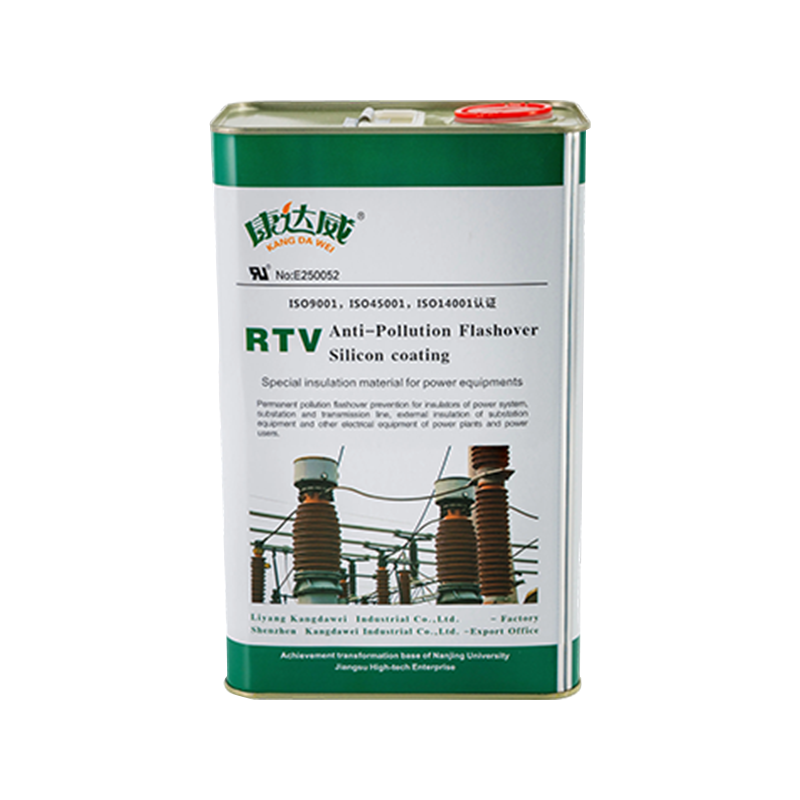
Salt spray, industrial emissions, and windblown dust can gradually contaminate high-voltage insulators. When moisture combines with deposited pollutants, the surface may become conductive, increasing leakage current and the risk of pollution flashover. For utilities operating in coastal, desert, or industrial regions, choosing a suitable RTV Anti-Pollution Flashover Coating is an important part of insulation maintenance. The challenge is not simply to make an insulator water-repellent, but to maintain reliable electrical performance under changing environmental conditions.
1. Why Do Insulators Face Greater Challenges in Polluted Areas?
Insulator contamination varies with local weather, industrial activity, and geographical conditions. Coastal substations may experience salt deposition, while facilities near cement plants or industrial zones can accumulate mineral dust and other airborne particles. In dry climates, contaminants may remain on the surface until dew, fog, or rain introduces moisture.
This combination can create a conductive layer that promotes leakage current and localized arcing. Utilities should therefore assess the actual contamination environment rather than rely on a general maintenance schedule. Understanding the dominant pollutants helps engineers determine whether an anti-pollution coating, regular cleaning, or additional insulation measures are appropriate.
2. How Does RTV Silicone Coating Help Prevent Flashover?
RTV silicone rubber coatings are designed to provide a hydrophobic surface on electrical insulators. Instead of spreading evenly across the surface, water tends to form droplets, limiting the development of a continuous conductive film under suitable conditions.
Another important property is hydrophobicity transfer. Silicone-based materials can help impart water-repellent characteristics to deposited contamination, reducing its tendency to form a conductive layer when wet. This mechanism supports insulation performance, although results depend on coating formulation, contamination severity, and service conditions.
For high-voltage applications, engineers should evaluate electrical properties, tracking and erosion resistance, and hydrophobicity retention rather than selecting a product based on water repellency alone.
3. What Should Buyers Check Before Selecting a Coating?
Different RTV formulations can behave differently after exposure to weathering, electrical stress, and accumulated pollutants. Purchasing teams should request technical documentation relevant to their operating environment.
Key evaluation points include:
- Adhesion: Compatibility with porcelain, glass, or other specified insulator surfaces.
- Hydrophobicity: Ability to maintain or recover water repellency after exposure to contamination.
- Electrical performance: Relevant insulation, tracking, and erosion resistance data.
- Environmental durability: Suitability for UV exposure, temperature changes, moisture, and local pollutants.
- Application requirements: Recommended surface preparation, coating thickness, curing conditions, and inspection procedures.
These factors help buyers compare products on technical suitability instead of price alone.
4. Why Is Surface Preparation Critical?
Even a well-formulated coating can underperform if the substrate is contaminated or improperly prepared. Dust, oil, moisture, and loose deposits may interfere with adhesion, creating weak areas where the coating can deteriorate.
Before application, the insulator should be cleaned and dried according to the manufacturer's instructions. Primer requirements, where applicable, must also be followed. During coating, operators should control application thickness and coverage to avoid bare spots, trapped air, or uneven layers.
As a manufacturer, we recommend establishing clear preparation and inspection procedures before large-scale application. Consistent workmanship helps reduce avoidable defects and supports more predictable field performance.
5. How Can Utilities Extend Coating Service Life?
Coating performance depends on more than the material itself. Severe contamination, insufficient natural washing, and localized corona activity may affect long-term condition. A coated insulator should not automatically be considered maintenance-free.
Utilities can develop a practical inspection plan that considers environmental exposure, operating voltage, and equipment importance. Depending on the application, inspections may include visual checks for peeling, cracking, erosion, or changes in surface hydrophobicity.
Where deterioration or heavy contamination is identified, engineers should determine whether cleaning, localized repair, or recoating is appropriate. Following validated maintenance procedures helps protect the underlying insulation and avoid unnecessary intervention.
6. Is Factory Coating Suitable for Transmission Projects?
Factory application can provide a controlled environment for cleaning, coating, curing, and quality inspection. This approach may be particularly useful for transmission projects requiring consistent treatment across multiple insulators.
However, successful results still depend on process control and compatibility with the intended equipment. Buyers should confirm the coating specifications, inspection records, packaging arrangements, and transportation protection before placing bulk orders. These details matter because damage during handling can compromise an otherwise properly applied coating.
7. How Should Buyers Prepare for a Reliable Sourcing Decision?
Before requesting quotations, provide suppliers with the insulator material, operating voltage, installation environment, dominant pollutants, and application requirements. Where possible, include existing maintenance records and relevant project specifications.
This information allows manufacturers to recommend a more suitable solution and clarify the testing needed before deployment. Comparing technical documentation, sample evaluation results, and application support can help utilities make informed procurement decisions.
At our manufacturing facility, we believe effective insulation protection starts with understanding real operating conditions. Selecting the right RTV Anti-Pollution Flashover Coating should be based on verified technical performance, proper application, and a maintenance strategy suited to the equipment's service environment.