 English
 中文简体
 русский
 عربى

Home · News · Industry News · PV Potting Sealant Selection: Preventing Moisture Ingress and Improving Solar Junction Box Protection
Industry News
PV Potting Sealant Selection: Preventing Moisture Ingress and Improving Solar Junction Box Protection
Nov 06,2026As solar installations expand into different climates, protecting electrical connections from moisture, dust, temperature changes, and long-term outdoor exposure has become an important concern for photovoltaic equipment manufacturers. The junction box, although relatively small, plays a critical role in keeping a solar module operating safely. Poor sealing can lead to moisture penetration, corrosion, insulation problems, and connection failures. Choosing a suitable PV Potting Sealant is therefore an important part of solar module production. As a sealant manufacturer, we focus on helping customers select materials that provide reliable protection while remaining practical for dispensing, curing, and assembly processes.
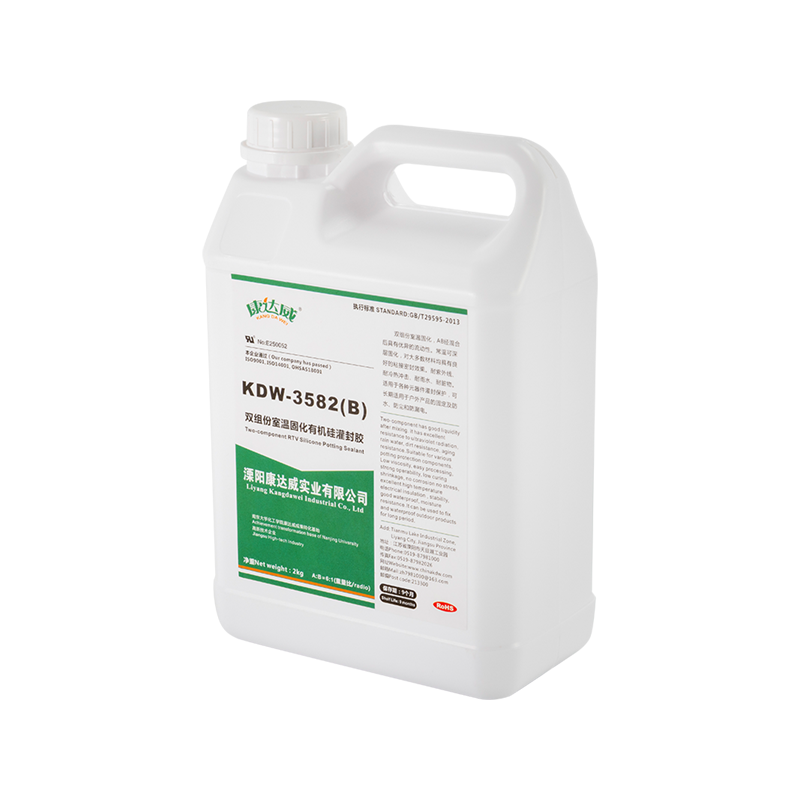
Moisture Protection Starts with the Right Potting Material
Solar panels are exposed to rain, humidity, condensation, and changing weather conditions throughout their service life. If moisture enters the junction box, it may affect electrical components and accelerate corrosion around metal connections.
A suitable photovoltaic potting compound should form a continuous protective layer around internal components. When evaluating materials, manufacturers should pay attention to adhesion, water resistance, electrical insulation, and compatibility with the junction box housing. These properties work together to reduce the risk of moisture-related failures.
Thermal Cycling Can Affect Sealant Performance
Solar modules experience repeated heating and cooling during daily operation. The junction box and its internal components may expand and contract at different rates, placing stress on the potting material.
A sealant that becomes too rigid or loses adhesion under temperature changes may develop cracks or gaps. For this reason, engineers should consider the cured material's flexibility, thermal stability, and bonding performance. The right formulation helps accommodate movement while maintaining protection around sensitive electrical parts.
Electrical Insulation Is Essential for Junction Boxes
Potting materials do more than seal gaps. They also help insulate electrical connections and protect internal components from environmental exposure.
When selecting PV Potting Sealant, purchasing teams should review relevant electrical properties, including dielectric strength, volume resistivity, and insulation performance under expected operating conditions. The material should also be compatible with cables, connectors, and other components used in the assembly.
Check Compatibility Before Starting Mass Production
Material compatibility is an issue that can easily be overlooked during product development. Different junction box housings, cable materials, and component surfaces may respond differently to a sealant formulation.
Before confirming a bulk order, we recommend checking:
- Adhesion to the actual housing and component materials.
- Whether curing conditions fit the existing production line.
- Whether the cured compound affects nearby components.
- Whether the material maintains its properties under expected environmental conditions.
Small-scale application tests can help identify problems before they affect an entire production batch.
Consistent Dispensing Helps Reduce Production Defects
Even when the material itself meets technical requirements, inconsistent application can affect the final sealing result. Air bubbles, insufficient filling, uneven distribution, and incorrect mixing ratios may leave vulnerable areas inside the junction box.
For production teams, we suggest paying attention to the following process details:
- Mixing control: Follow the recommended mixing ratio for two-component materials.
- Dispensing accuracy: Keep the filling amount and application position consistent.
- Bubble management: Use an appropriate dispensing process to reduce trapped air.
- Curing conditions: Allow sufficient curing time before the next assembly or inspection stage.
These measures help improve production consistency and reduce avoidable rework.
Reliability Testing Is Becoming More Important
Recent photovoltaic module reliability reports have brought greater attention to damp heat, thermal cycling, and junction box defects. Kiwa PVEL's 2026 reliability findings also highlight failures associated with inadequate junction box potting and electrical insulation. This makes material evaluation and production quality control important considerations for solar module suppliers.
Kiwa PVEL PV Module Reliability Scorecard+1
We recommend evaluating sealant performance through application-specific testing rather than relying on product descriptions alone. Adhesion checks, insulation testing, moisture resistance evaluation, and thermal aging tests can help manufacturers identify potential weaknesses before products enter large-scale production.
Choosing a Suitable Solution for Different PV Applications
Different junction box structures and production requirements call for different potting solutions. Silicone-based materials, for example, are commonly used in photovoltaic applications because of their flexibility and environmental resistance. However, the final selection should depend on the housing material, electrical requirements, dispensing equipment, and curing conditions.
Elkem.com+1
As a manufacturer, we understand that a practical sealing solution must work well not only in the laboratory but also on the production floor. Selecting the right PV Potting Sealant helps solar module manufacturers protect internal electrical components, control assembly quality, and build greater confidence in long-term product reliability.
Contact Us
Your email address will not be published. Required field are marked*
Categories
- Company News(1)
- Industry News(8)
Product Category
Solar Solutions
rye@chinakdw.com
-

Call support 24/7 (Whatsapp)
+86 0519 87985926 -

Send us Email
rye@chinakdw.com -

Visit our location
No.789 Chengdong Avenue, Guxian Street, Liyang City, Jiangsu Province, China
-

-
Subscribe to newsletter
Get exclusive news and offers with our newsletter.
