 English
 中文简体
 русский
 عربى

Home · News · Industry News · PV Potting Sealant Selection for Reliable Solar Junction Box Protection
Industry News
PV Potting Sealant Selection for Reliable Solar Junction Box Protection
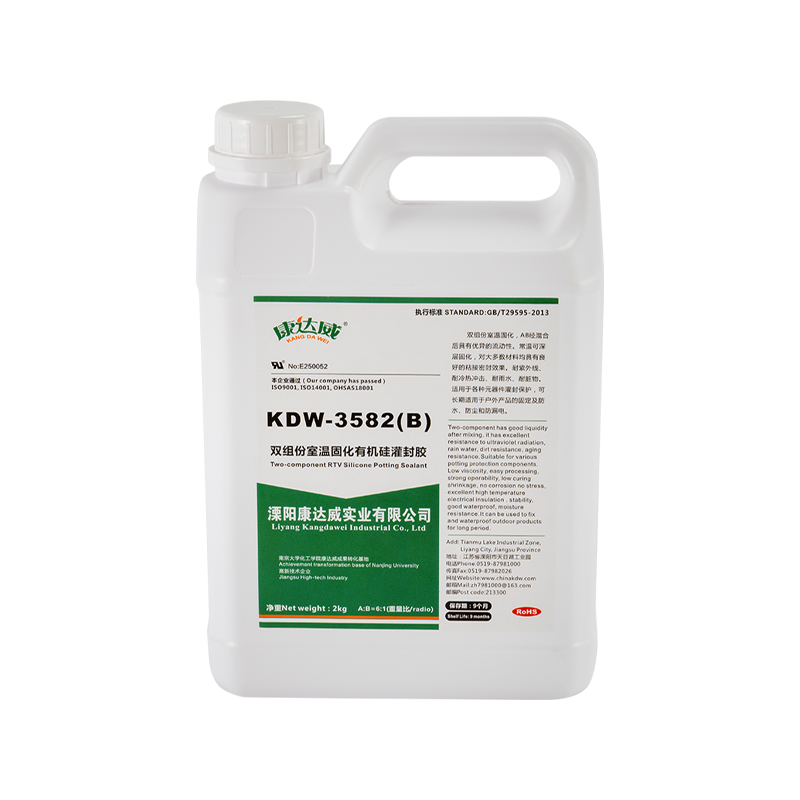
Nov 13,2026PV Potting Sealant plays an important role in protecting electrical components inside photovoltaic junction boxes. As solar installations expand across residential, commercial, and utility-scale projects, manufacturers and system integrators are paying closer attention to moisture resistance, thermal stability, electrical insulation, and long-term bonding performance. A small sealing issue inside a junction box can lead to water ingress, corrosion, electrical faults, or additional maintenance work. As a manufacturer, we believe that selecting the right potting material should be part of the product design process rather than a final assembly decision.
Moisture Protection Starts with Material Selection
Solar panels are exposed to rain, humidity, dust, and changing outdoor conditions throughout their service life. Junction boxes need reliable internal protection to reduce the risk of moisture reaching electrical connections.
When selecting a potting compound, buyers should consider its resistance to water absorption, adhesion to the housing, and ability to maintain its sealing properties after prolonged environmental exposure. Compatibility with commonly used junction box materials, such as plastics and metals, also deserves attention.
Thermal Cycling Can Affect Potting Performance
Photovoltaic modules experience temperature changes during daily operation and seasonal weather shifts. Repeated heating and cooling can place stress on the potting material and the surfaces it contacts.
A suitable PV potting compound should maintain stable physical properties across the intended operating temperature range. Flexibility is also important because differences in thermal expansion between the housing, cables, and internal components may create mechanical stress. During product evaluation, we recommend checking thermal aging and thermal cycling performance instead of relying only on initial curing results.
Electrical Insulation Matters Inside Junction Boxes
The potting material does more than fill empty spaces. It helps protect conductive components and supports electrical insulation within the junction box.
For engineering teams, key considerations include:
- Dielectric strength and volume resistivity.
- Insulation stability after environmental exposure.
- Compatibility with terminals, cables, and other internal components.
- Consistent filling around complex structures without unwanted air pockets.
These factors should be evaluated against the electrical design and applicable product requirements.
Choosing Between Silicone and Other Potting Materials
Different photovoltaic applications may require different material properties. Silicone potting compounds are often considered when flexibility and temperature resistance are important. Polyurethane and epoxy systems may also be suitable depending on the required hardness, adhesion, chemical resistance, and mechanical protection.
There is no single formulation that fits every junction box. Buyers should compare curing behavior, viscosity, working time, and final hardness alongside environmental performance. The selected material must match the actual assembly process and application conditions.
Preventing Air Bubbles During the Filling Process
Even a suitable compound can deliver inconsistent results if the dispensing process is poorly controlled. Trapped air may leave unprotected areas around terminals and other internal components.
Our manufacturing experience shows that process checks should focus on:
- Cleaning and drying the housing before filling.
- Controlling the mixing ratio for two-component materials.
- Following the recommended mixing and degassing procedures.
- Maintaining consistent dispensing volume and curing conditions.
A repeatable filling process helps reduce assembly defects and unnecessary rework.
Factory Evaluation Before Bulk Purchasing
For distributors and photovoltaic component manufacturers, material selection should include more than a sample review. A practical evaluation can cover adhesion, curing time, hardness, insulation performance, and environmental resistance.
We recommend testing the potting compound with the actual junction box housing and internal components. This helps identify compatibility issues before mass production. Suppliers should also provide technical data sheets, safety information, storage guidance, and clear application instructions to support purchasing and production teams.
Building More Consistent Solar Component Production
Reliable junction box protection depends on the combination of material formulation, product design, and application control. Manufacturers need a potting solution that fits their production equipment while meeting the technical demands of outdoor photovoltaic applications. By evaluating these factors early, buyers can reduce avoidable assembly problems and support more consistent product quality. Selecting the right PV Potting Sealant is therefore an important step toward durable photovoltaic components and dependable solar module performance.
Contact Us
Your email address will not be published. Required field are marked*
Categories
- Company News(1)
- Industry News(9)
Product Category
Solar Solutions
rye@chinakdw.com
-

Call support 24/7 (Whatsapp)
+86 0519 87985926 -

Send us Email
rye@chinakdw.com -

Visit our location
No.789 Chengdong Avenue, Guxian Street, Liyang City, Jiangsu Province, China
-

-
Subscribe to newsletter
Get exclusive news and offers with our newsletter.
