 English
 中文简体
 русский
 عربى


Home · News · Industry News · Improving Junction Box Assembly Consistency with PV Potting Sealant
Industry News
Improving Junction Box Assembly Consistency with PV Potting Sealant
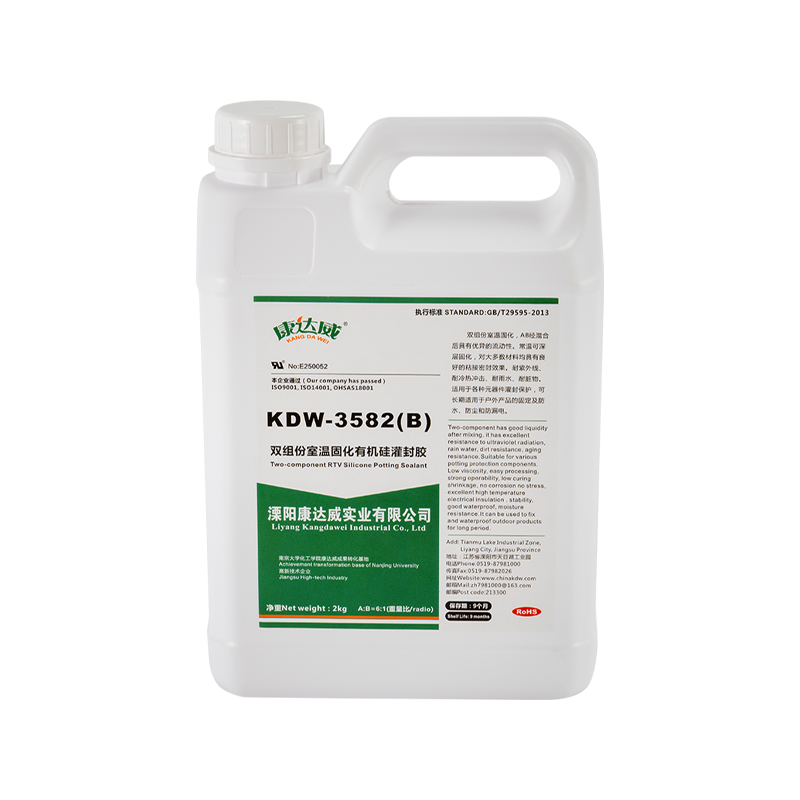
Nov 20,2026PV Potting Sealant is an important material in photovoltaic junction box manufacturing, particularly when production teams need consistent filling, reliable insulation, and protection against outdoor exposure. In actual factory operations, problems such as incomplete filling, uneven curing, poor adhesion, and trapped air can affect finished product quality. These issues may not become visible immediately, making material selection and process control especially important. As a manufacturer, we focus on how potting materials perform during real assembly rather than judging them only by their appearance after curing.
Incomplete Filling Can Leave Internal Gaps
Junction boxes contain terminals, cables, and other electrical components arranged within limited spaces. If the potting compound has unsuitable flow properties, it may not reach narrow gaps or areas beneath internal structures.
For purchasing and engineering teams, viscosity should be considered alongside the junction box design. A compound that flows appropriately can help cover complex areas while maintaining control during dispensing. Before confirming a bulk order, we recommend testing the material with the actual housing and component layout.
Viscosity Affects Production Efficiency
Material viscosity influences how easily the compound moves through dispensing equipment and fills the junction box. If it is too high for the application, operators may encounter slow dispensing or incomplete coverage. If it is too low, material leakage and excessive consumption may become concerns.
When evaluating PV potting compound, manufacturers should pay attention to:
- Flow behavior during automatic or manual dispensing.
- Compatibility with existing filling equipment.
- Working time after mixing.
- Material stability during production.
- The ability to fill narrow spaces without excessive leakage.
These details help determine whether a product is suitable for a specific assembly line.
Curing Time Needs to Match the Assembly Schedule
Curing behavior directly affects production arrangements. A material that cures too quickly may shorten the available working time, while a slower curing system may require additional space for temporary storage and handling.
Two-component potting materials also require accurate mixing according to the supplier's instructions. Operators should avoid changing the mixing ratio simply to accelerate production. Such adjustments can affect the final material properties and create inconsistent results between batches.
Adhesion Depends on Surface Preparation
Poor bonding between the potting compound and junction box housing can create gaps during environmental exposure. Surface contamination, moisture, and incompatible housing materials may all affect adhesion.
Before dispensing, production teams should check that the housing is clean and dry. Material compatibility should also be verified with the actual plastic or metal surfaces used in the assembly. For new housing designs, conducting an adhesion test before mass production can help identify potential problems early.
Controlling Air Bubbles During Potting
Air bubbles are a common concern when filling enclosed electrical components. They may form during mixing, dispensing, or when the compound flows around complex structures.
To reduce this risk, manufacturers can review several process details:
- Use a controlled mixing procedure to limit air introduction.
- Apply vacuum degassing when required by the material specification.
- Adjust dispensing speed and filling direction.
- Avoid unnecessary interruptions during the filling operation.
- Inspect cured samples for visible voids and incomplete coverage.
The appropriate procedure depends on the compound formulation and production equipment.
Testing Material Compatibility Before Mass Production
A successful sample test should reflect actual factory conditions. Checking only the cured appearance does not provide enough information about long-term suitability.
We recommend evaluating the following properties:
- Adhesion to the junction box housing and cable surfaces.
- Electrical insulation performance.
- Hardness and flexibility after curing.
- Resistance to moisture and temperature changes.
- Compatibility with terminals and surrounding components.
Technical data sheets and application guidance should also be reviewed before purchasing decisions are finalized.
Selecting a Suitable Supplier for Long-Term Production
For photovoltaic component manufacturers and distributors, a stable material supply is only part of the purchasing decision. Consistent batch quality, technical communication, packaging options, and application support also influence production reliability.
A supplier should understand the customer's dispensing process and junction box structure before recommending a formulation. This makes it easier to match material properties with actual manufacturing requirements. Choosing suitable PV Potting Sealant helps reduce filling defects, maintain electrical protection, and support consistent junction box assembly across production batches.
Contact Us
Your email address will not be published. Required field are marked*
Categories
- Company News(1)
- Industry News(10)
Product Category
Solar Solutions
rye@chinakdw.com
-

Call support 24/7 (Whatsapp)
+86 0519 87985926 -

Send us Email
rye@chinakdw.com -

Visit our location
No.789 Chengdong Avenue, Guxian Street, Liyang City, Jiangsu Province, China
-

-
Subscribe to newsletter
Get exclusive news and offers with our newsletter.
