 English
 中文简体
 русский
 عربى
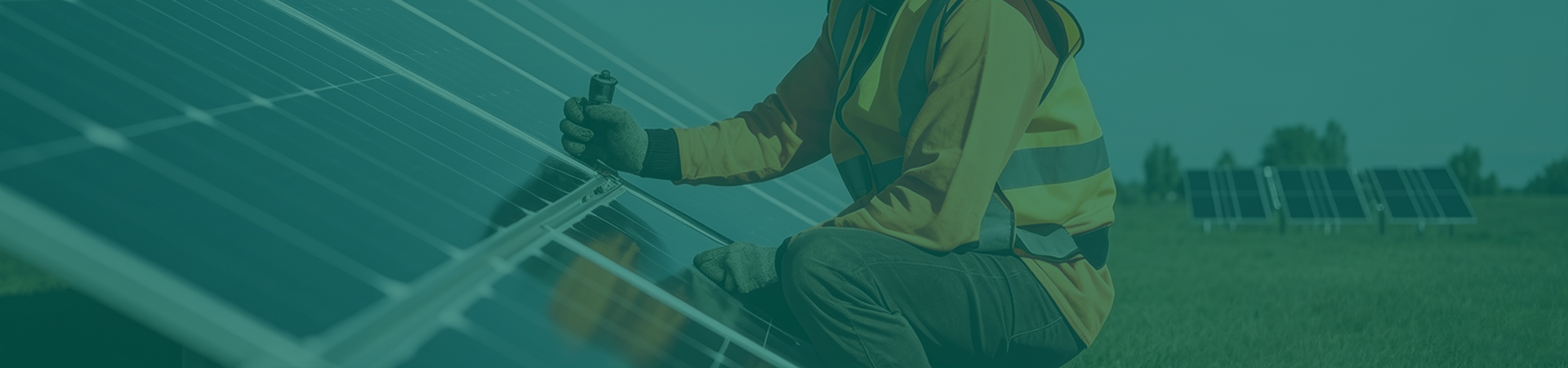
As solar installations expand into regions with high humidity, strong sunlight, and wide temperature fluctuations, protecting photovoltaic (PV) modules from environmental damage has become an important concern for manufacturers and project developers. A suitable Solar Panel Sealant helps protect critical connection points, limit moisture ingress, and maintain reliable sealing during outdoor service. For solar module manufacturers, distributors, and engineering teams, understanding material compatibility and application conditions is essential when selecting a sealing solution for long-term performance.
1. Why Does Moisture Protection Matter in Solar Modules?
Solar panels operate outdoors for years, facing rain, condensation, humidity, and repeated temperature changes. If moisture enters vulnerable areas around frames, junction boxes, or cable connections, it may contribute to corrosion, insulation problems, or deterioration of surrounding materials.
Sealant selection should therefore begin with identifying the areas that require protection. Frame sealing, junction box bonding, and other enclosure applications may involve different substrates and mechanical demands. A product suitable for one location should not automatically be used throughout the module. Engineers should evaluate the sealing requirements of each joint before choosing a formulation.
2. Can Sealants Withstand UV Exposure and Temperature Changes?
Continuous sunlight and temperature cycling can gradually affect polymer materials. Depending on the formulation, prolonged exposure may lead to changes in elasticity, adhesion, or surface condition. Thermal expansion and contraction can also place stress on bonded interfaces.
For outdoor photovoltaic applications, buyers should review UV resistance, service temperature range, weathering performance, and adhesion retention. Silicone sealants are commonly considered for applications requiring weather resistance and flexibility, although the appropriate grade depends on the specific design.
Manufacturers should assess the product's technical data and relevant test results rather than relying on general descriptions such as "weatherproof." Actual performance depends on formulation, joint design, substrate preparation, and exposure conditions.
3. How Can Buyers Prevent Adhesion Problems?
Poor adhesion can compromise sealing even when the selected material has suitable environmental resistance. Contamination, incompatible coatings, and incorrect application methods are common factors worth investigating when bonding performance is inconsistent.
Before production, check these key points:
- Surface cleanliness: Remove oil, dust, and other contaminants using an approved preparation method.
- Substrate compatibility: Confirm adhesion to the actual glass, aluminum, plastic, or coated surface.
- Joint design: Allow for movement and follow the recommended joint dimensions.
- Curing conditions: Check temperature, humidity, and curing time against the product instructions.
As a sealant manufacturer, we recommend testing representative materials under realistic assembly conditions. This helps identify compatibility issues before they affect routine production.
4. What Should Solar Panel Manufacturers Know About Curing?
Curing behavior directly affects assembly scheduling, handling, and production consistency. Some sealants cure through exposure to atmospheric moisture, while other formulations follow different curing mechanisms. The required conditions and time can vary considerably between products.
For automated production lines, purchasing teams should discuss viscosity, dispensing requirements, skin formation, fixture time, and full cure time with their suppliers. A material that fits the production process can help reduce handling difficulties and support repeatable application.
It is also important to distinguish between surface skin formation and complete curing. Moving or testing an assembly too early may affect joint quality, so production procedures should follow the manufacturer's technical guidance.
5. How Should Sealants Be Evaluated for Long-Term Reliability?
Solar module buyers need more than an initial adhesion result. They should consider how the sealed assembly performs after exposure to environmental and mechanical stresses.
Depending on the application, evaluation may include damp heat, temperature cycling, UV exposure, and adhesion testing before and after aging. These assessments should reflect the intended use and relevant qualification requirements.
Sealant performance is only one part of module reliability. Glass, encapsulants, frames, electrical components, and assembly processes also influence overall performance. Coordinating material selection across these interfaces helps reduce compatibility risks.
6. Should Repair and Recycling Affect Sealant Selection?
As the installed base of photovoltaic modules grows, maintenance and end-of-life management are receiving greater attention. Durable bonding helps components remain secure during service, but permanent joints can make disassembly more difficult.
Where repairability or recycling is a design priority, engineers should consider how the chosen sealant affects separation of frames and other components. Any alternative bonding or debonding approach must still satisfy the necessary safety, sealing, and durability requirements during operation.
Discussing these needs early can help manufacturers balance service life with future maintenance considerations.
7. What Information Should Buyers Request From a Supplier?
Before placing a bulk order, buyers should provide details about the application, substrates, environmental exposure, dispensing method, and production volume. They should also request relevant technical data sheets, storage instructions, curing guidance, and supporting compatibility or durability test information.
A capable supplier should be able to explain how a product fits the intended application and identify where further testing may be needed. Clear technical communication helps purchasing teams compare options based on suitability rather than price alone.
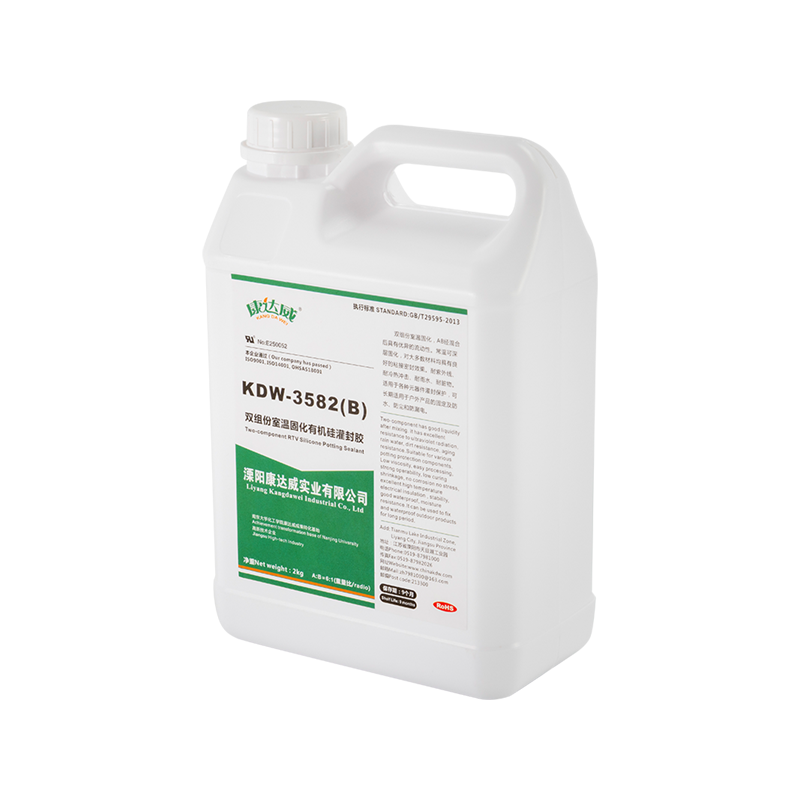
At our manufacturing facility, we believe selecting the right Solar Panel Sealant starts with understanding the module design, operating environment, and production process. By evaluating these factors together, buyers can make more informed material decisions and support dependable sealing throughout the intended service life of their solar products.